Life After Tongue Cancer: Speech & Swallowing Recovery
Need expert consultation? Book an appointment with Dr. Pradeep S. or Dr. Kalpa Pandya.
Book AppointmentA diagnosis of tongue cancer brings immediate concerns about survival, but it also raises deeply personal questions about daily life. Patients frequently ask how they will communicate with loved ones, enjoy a meal, or return to professional activities. Because the tongue is the primary organ for both speech articulation and the initial phases of swallowing, undergoing a glossectomy (surgical removal of part or all of the tongue) inevitably alters these vital functions.
Understanding the process of life after tongue cancer surgery speech and swallowing recovery can significantly reduce anxiety. With advanced microvascular reconstruction techniques and structured, proactive rehabilitation, patients can regain functional speech and return to a diverse, satisfying diet.
At Mouth Cancer Surgeons in Chennai, Dr. Pradeep S. and Dr. Kalpa Pandya guide patients through every phase of this recovery. By combining oncological precision with functional reconstruction, our team ensures that survival goes hand-in-hand with a high quality of life. See the broader oral cancer recovery and rehabilitation pathway for how speech, nutrition and dental care fit together. Composite Chennai recovery arcs are also collected in oral cancer survivor stories.
Understanding Tongue Cancer Surgery (Glossectomy)
The extent of functional changes in speech and swallowing depends directly on the size and location of the tumor, which dictates the type of glossectomy performed.
[Partial Glossectomy] ---> [Hemiglossectomy] ---> [Subtotal/Total Glossectomy]

(Minimal tissue loss)      (Half of tongue removed)  (Major tissue loss; requires

                                                     microvascular free flap)
Types of Glossectomy
-
Partial Glossectomy: Only a small portion of the tongue is removed. The remaining healthy tissue is usually sutured together. Impact on speech and swallowing is typically minimal and resolves quickly with minor therapy.
-
Hemiglossectomy: Approximately half of the tongue is resected. This procedure generally requires reconstructive surgery to restore bulk and mobility, ensuring the tongue can still touch the roof of the mouth and teeth.
-
Subtotal or Total Glossectomy: The majority or the entirety of the tongue is removed. This extensive surgery requires advanced reconstructive and restorative surgery using tissue from other parts of the body to rebuild a functional tongue.
When planning oral cancer surgery, our surgical team focuses not only on removing the tumor with clear margins but also on preserving as much healthy, mobile tongue tissue as possible.
Why Speech and Swallowing Are Affected
To understand the recovery process, it helps to look at the normal mechanics of the mouth. The tongue is a highly complex muscular organ that moves in multiple directions to perform highly specialized tasks.
The Mechanics of Speech
Speech relies on the rapid, precise coordination of the tongue, lips, teeth, and palate. The tongue modifies the airstream coming from the lungs to produce specific speech sounds:
-
Lingua-alveolar sounds (T, D, S, Z, L): Require the tip of the tongue to touch the ridge behind the upper front teeth.
-
Lingio-dental sounds (Th): Require the tongue tip to place between the teeth.
-
Velar sounds (K, G): Require the back of the tongue to elevate and contact the soft palate.
When a portion of the tongue is removed or reconstructed with a skin flap (which lacks the natural muscular fibers of the tongue), making these precise contacts becomes challenging. Speech may initially sound muffled, slurred, or nasal.
The Mechanics of Swallowing (Dysphagia)
Swallowing is divided into three main phases: oral, pharyngeal, and esophageal. Tongue surgery primarily impacts the oral phase:
-
Bolus Prep: The tongue moves food around the mouth, mixing it with saliva to form a cohesive ball (bolus).
-
Oral Transit: The tongue presses upward against the hard palate, rolling backward to propel the bolus into the throat.
-
Swallow Trigger: This movement triggers the automatic pharyngeal swallow, which closes the airway (larynx) to prevent food from entering the lungs.
Without sufficient tongue strength, volume, or mobility, food can scatter in the mouth, collect in the cheek pockets, or slide backward prematurely, causing coughing, choking, or silent aspiration.
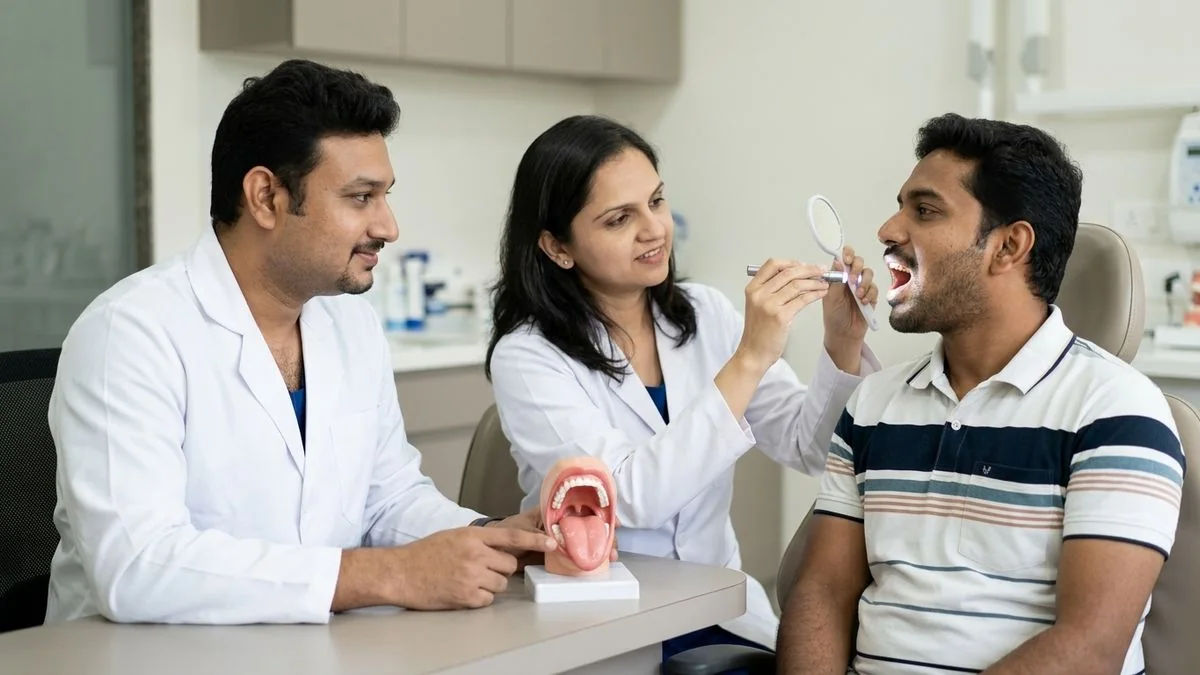
The Timeline of Speech & Swallowing Recovery
Rehabilitation is a gradual process. While every patient's recovery curve is unique, a structured timeline helps set realistic goals and expectations.
| Recovery Phase | Timeline | Key Speech Milestones | Key Swallowing Milestones |
|---|---|---|---|
| Immediate Post-Op | Weeks 1 - 2 | Communication via writing, tablets, or basic gestures; minimal verbal attempts. | Nutritional support via Nasogastric (NG) tube or PEG tube; strict nothing-by-mouth (NPO) status. |
| Early Rehabilitation | Weeks 2 - 6 | Gentle range-of-motion tongue exercises; initiation of basic speech drills with a therapist. | Swallow evaluation (FEES/VFSS); introduction of purees and thickened liquids; gradual reduction of tube feeding. |
| Active Recovery | Months 2 - 6 | Targeted articulation therapy; improved clarity of consonant sounds; adaptive speech strategies. | Transition to a soft diet; learning protective swallowing maneuvers (e.g., chin-tuck); complete removal of feeding tubes. |
| Long-Term Adaptation | Months 6 - 12+ | Speech stabilizes; patient learns to use remaining structures to compensate; near-normal conversational clarity. | Expansion of diet to include regular textures; comfortable eating in social settings; long-term surveillance. |
Swallowing Rehabilitation (Dysphagia Therapy)
Relearning how to swallow safely is the highest priority in the early post-operative phase. Before you are allowed to eat or drink by mouth, a Speech-Language Pathologist (SLP) or your surgical team will perform a formal swallowing assessment. This may include a Flexible Endoscopic Evaluation of Swallowing (FEES) or a Videofluoroscopic Swallowing Study (VFSS) to observe how liquids and solids travel down your throat in real-time.
Step-by-Step Dietary Progression
-
Enteral Nutrition: Initially, nutrition is delivered via a feeding tube to allow the surgical site to heal without contamination or physical irritation.
-
Thickened Liquids & Purees: Once healing is verified, you will start with smooth, cohesive textures like pudding, yogurt, or thickened juices. These move slowly, giving your muscles more time to react.
-
Soft Foods: Gradually, you will progress to soft, moist foods such as mashed vegetables, scrambled eggs, well-cooked pasta, and ground meats.
-
Regular Diet: The final step is returning to standard food textures, avoiding highly dry, crumbly, or extremely sticky foods until tongue mobility is fully optimized.
Essential Swallowing Maneuvers
Your therapist will teach you specific physical techniques to protect your airway and make swallowing more efficient:
-
The Chin-Tuck Technique: Tucking your chin down toward your chest before swallowing widens the space at the back of your throat and positions the epiglottis to shield your airway, preventing food from entering the lungs.
-
The Effortful Swallow: Squeezing all your throat muscles as hard as possible during a swallow. This helps compensate for reduced tongue pressure, clearing food residue from the throat.
-
The Mendelsohn Maneuver: Holding your larynx (voice box) in its highest position for a few seconds mid-swallow. This keeps the upper esophageal sphincter open longer, allowing food to pass safely.
-
The Supraglottic Swallow: Taking a breath, holding it, swallowing, and then immediately coughing before exhaling. This clears any food or liquid that might have settled near the vocal cords.
If you are experiencing swallowing difficulties or preparing for surgery, early intervention is vital. Book an appointment with Dr. Pradeep S. and Dr. Kalpa Pandya at Apollo Main Hospital, Greams Road, Chennai, to plan your personalized rehabilitation.
Speech Therapy and Articulation Exercises
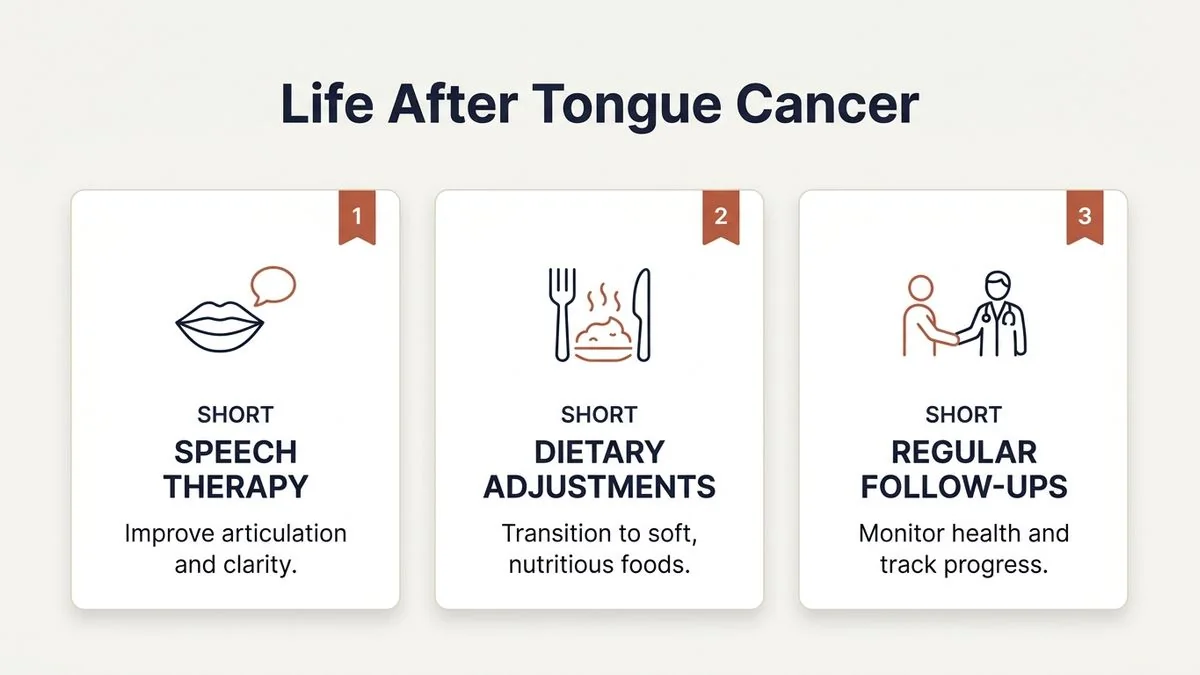
Regaining clear speech requires patience, consistent practice, and structured exercises. Speech therapy typically begins as soon as the surgical incisions are sufficiently healed, usually around two weeks after surgery.
[Range of Motion (ROM)] ---> [Phonetic Placement] ---> [Compensatory Strategies]

(Stretching & strengthening)  (Targeting difficult sounds) (Using lips/teeth to compensate)
1. Range of Motion (ROM) and Strengthening Exercises
If a portion of your natural tongue remains mobile, these exercises help maximize its strength and reach:
-
Tongue Protrusion: Gently extending the tongue straight out as far as comfortable, holding for 5 seconds, and pulling it back.
-
Lateral Movements: Moving the tongue to the left corner of the mouth, holding, and then moving to the right corner.
-
Tip Elevation: Reaching the tip of the tongue up toward the roof of the mouth or the upper teeth.
-
Resistance Exercises: Pushing the tongue against a clean tongue depressor or a spoon to build muscular strength.
2. Phonetic Placement and Articulation Drills
Your therapist will help you find new ways to position your tongue, lips, and teeth to produce difficult sounds:
-
Targeting Consonants: Practicing lists of words starting with "T," "D," "L," or "S." If the tip of your tongue cannot reach the alveolar ridge, you may learn to use your lower lip against your upper teeth to create a similar sound.
-
Syllable Drills: Repeating simple patterns like "ta-ta-ta," "la-la-la," or "ka-ka-ka" to build muscle memory and speed.
-
Over-Articulation: Intentionally exaggerating your mouth movements and speaking slowly to improve clarity during conversation.
3. Compensatory Speech Strategies
-
Pacing: Slowing your speaking rate gives your listener more time to process your words and allows your reconstructed tongue more time to find the correct position.
-
Non-Verbal Supports: In the early weeks, carrying a small notepad, using a text-to-speech app, or utilizing simple hand gestures can reduce communication frustration.
The Role of Reconstructive Surgery in Recovery
The success of your speech and swallowing recovery is deeply linked to the quality of your initial reconstructive surgery. When a significant portion of the tongue is removed, leaving a hollow space, the remaining tongue cannot reach the roof of the mouth to swallow or speak.
Microvascular Free Flap Reconstruction
To resolve this, our reconstructive lead, Dr. Pradeep S., performs advanced microvascular free tissue transfer. This involves taking a small section of tissue, skin, and blood vessels from another part of your body and transplanting it to your mouth.
Common donor sites include:
-
Radial Forearm Free Flap (RFFF): Excellent for partial or hemiglossectomy reconstruction. It provides thin, highly pliable skin that allows the remaining tongue to move freely.
-
Anterolateral Thigh (ALT) Flap: Ideal for larger resections. It provides greater volume and bulk, which is necessary to rebuild a total glossectomy defect so that the food bolus can be pushed back toward the throat.
By meticulously matching the volume of the lost tissue, we ensure that the reconstructed tongue can make contact with the palate, which is the single most important factor in restoring both speech and swallowing.
Overcoming Common Challenges During Recovery
The recovery process is rarely a straight line. Patients frequently encounter specific hurdles that require targeted solutions from a multidisciplinary cancer care team.
1. Managing Dry Mouth (Xerostomia)
Many patients require post-operative radiation therapy, which can damage the salivary glands. A dry mouth makes both swallowing and speaking significantly harder, as saliva acts as a natural lubricant.
- Solutions: Sip water frequently, use alcohol-free artificial saliva sprays, run a cool-mist humidifier in your room, and practice rigorous oral hygiene to prevent dental decay.
2. Dealing with Drooling (Sialorrhea)
Conversely, some patients experience temporary drooling due to reduced lip sensation, poor tongue control, or altered swallowing frequency.
- Solutions: Practice lip-closure exercises, set silent vibrating reminders on your phone to prompt a conscious swallow every few minutes, and use specialized skin barriers to prevent irritation around the lips and chin.
3. Trismus (Limited Jaw Opening)
Radiation therapy or surgery near the jaw joints can cause scarring and muscle tightness, making it difficult to open your mouth wide enough to chew or speak clearly.
- Solutions: Use gentle jaw-stretching devices or perform daily manual jaw exercises under the guidance of Dr. Kalpa Pandya.
How Our Dual-Surgeon Model Supports Your Recovery in Chennai
At Mouth Cancer Surgeons, we believe that successful cancer care extends far beyond the operating theater. Our practice is built on a unique dual-surgeon model.
When you choose our practice, Dr. Pradeep S. and Dr. Kalpa Pandya care for you together from your very first consultation, through the complex surgical procedure, and during every follow-up visit. This ensures complete continuity of care without any communication gaps.
-
Dr. Pradeep S. leverages his extensive experience in head and neck surgical oncology to perform precise tumor resections and complex microvascular reconstructions.
-
Dr. Kalpa Pandya coordinates the long-term functional rehabilitation, managing jaw mobility, dental restoration, and supportive therapies to ensure you can eat, speak, and live comfortably.
Based at Apollo Main Hospital, Greams Road, Chennai, we provide world-class oncological care in a highly supportive, state-of-the-art environment, serving patients from across Tamil Nadu and South India.
Reclaiming Your Life: A Reassuring Outlook
It is completely normal to feel overwhelmed at the start of your recovery. However, clinical studies show that the human brain and oral cavity possess remarkable adaptability. Over time, your remaining oral muscles learn to compensate, and your new tongue structure becomes a natural part of how you communicate and eat.
The key to a successful outcome is early, consistent, and expert-guided rehabilitation. By working closely with your surgical team and a dedicated speech therapist, you can rebuild your confidence, resume sharing meals with family, and make your voice heard once again.
References
-
National Comprehensive Cancer Network (NCCN). "Clinical Practice Guidelines in Oncology: Head and Neck Cancers." NCCN Guidelines, 2024. nccn.org
-
Lazarus, Logemann, et al. "Swallowing and Speech Outcomes After Hemiglossectomy and Reconstruction." The Laryngoscope, 2018.
-
World Health Organization. "Rehabilitation After Head and Neck Cancer Surgery." WHO Action Guidelines, 2022.
-
Memorial Sloan Kettering Cancer Center. "Speech and Swallowing Therapy After Glossectomy." MSKCC Patient Education Resources, 2023.
-
Rogers, S. N., et al. "Quality of Life Following Speech and Swallowing Rehabilitation in Oral Cancer Patients." Journal of Oral and Maxillofacial Surgery, 2021.
Next step
Concerned about a symptom you read here? Get a specialist opinion in Chennai.
Dr. Pradeep S. and Dr. Kalpa Pandya consult at Apollo Hospitals, Greams Road. Same-day responses on WhatsApp for most enquiries.
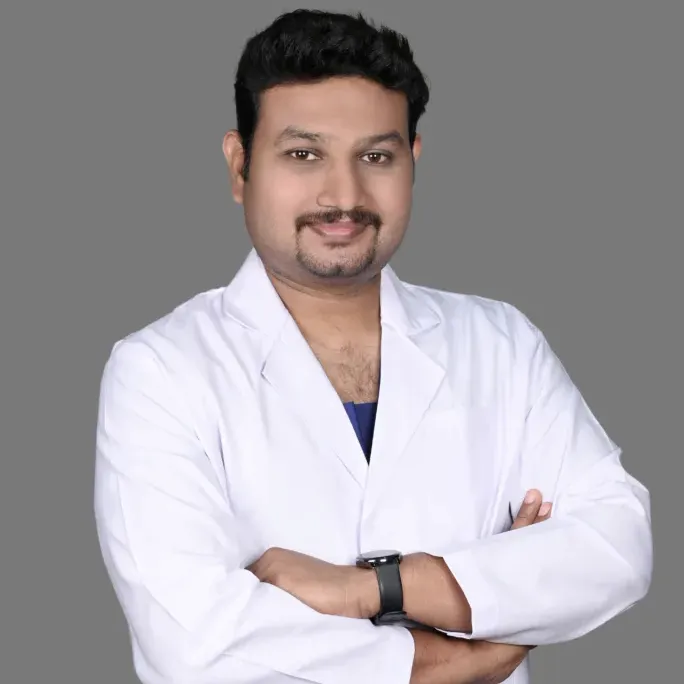
Dr. Pradeep S.
MDS (OMFS) · FHNS · FIBCSOMS
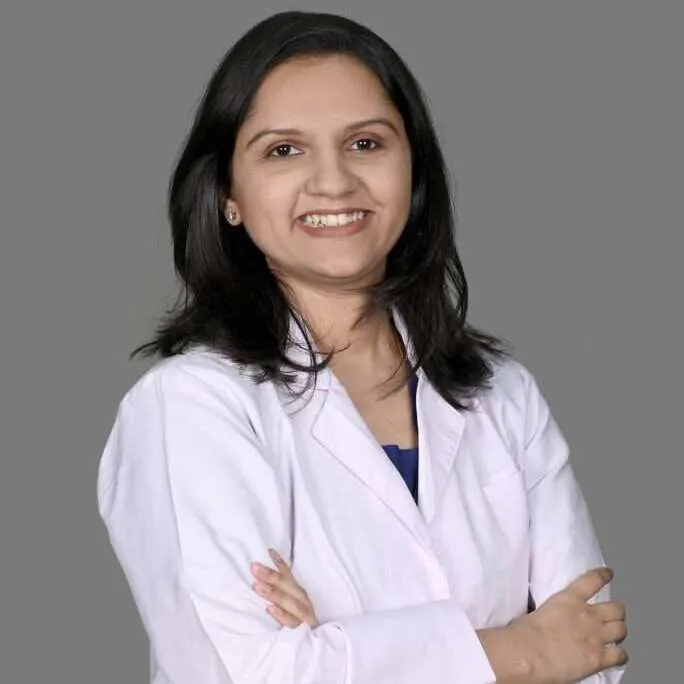
Dr. Kalpa Pandya
MDS (OMFS) · FHNS — Head & Neck Oncology
Authored by
Medically reviewed by