When oral cancer involves the lower jaw, mandibulectomy removes the affected bone — marginal (rim) or segmental — followed by reconstruction with a plate or free flap to restore jaw continuity and function.
Has Your Doctor Recommended Lower Jaw Bone Surgery?
Finding out that you or a loved one needs a mandibulectomy, or jaw bone removal, can be overwhelming. This procedure, which involves the surgical removal of a portion of the lower jaw bone, is primarily performed to treat oral cancers that have grown close to or invaded the bone. Our primary goal is to guide you through this process with clarity, compassion, and precise surgical expertise.
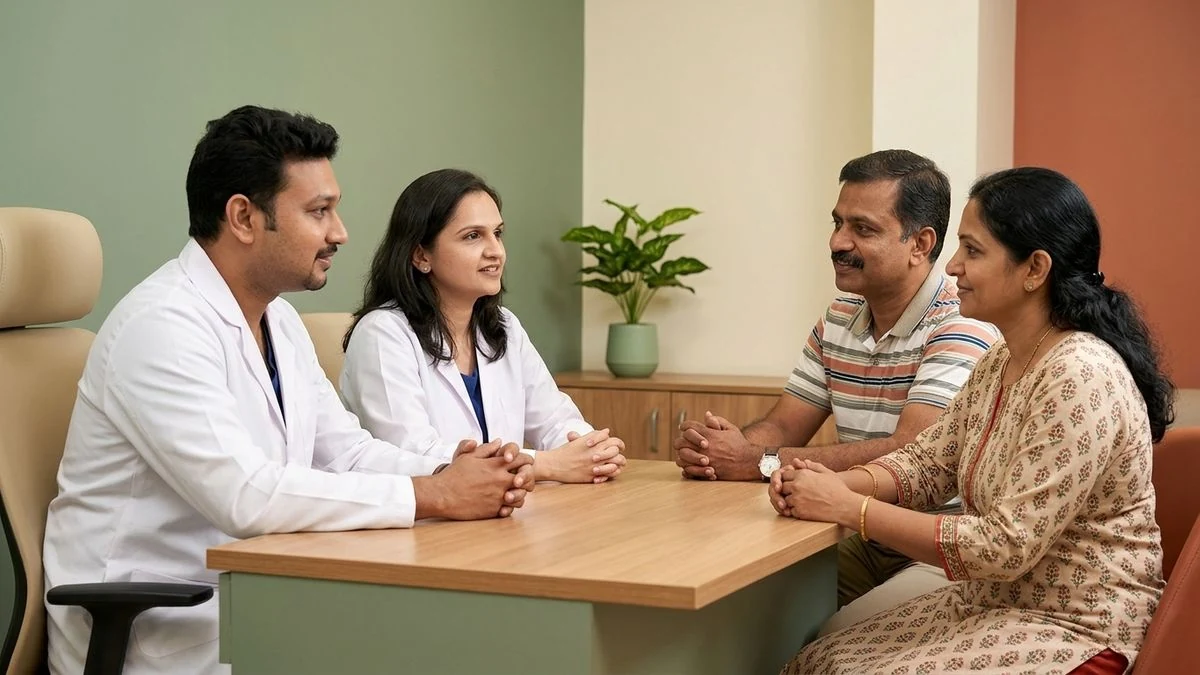
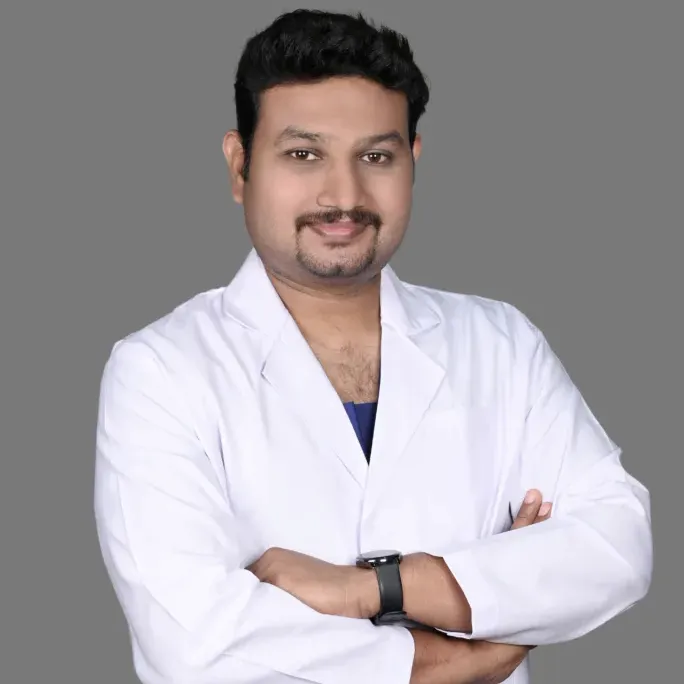
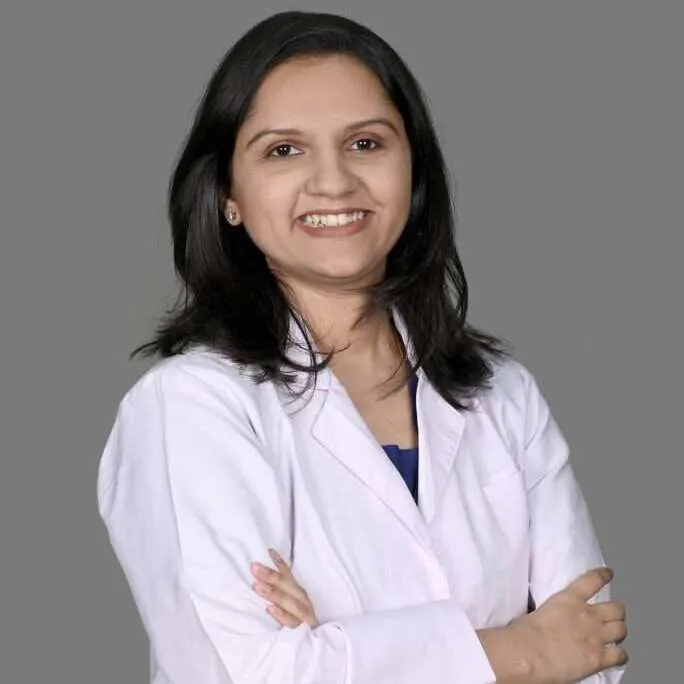
As specialists in oral & maxillofacial surgery (OMFS), Dr. Pradeep S. and Dr. Kalpa Pandya work together to design a treatment plan that prioritises both complete cancer removal and the preservation of your facial structure. We understand that the jaw is central to your identity, speech, and ability to eat, which is why we plan every step of your lower jaw cancer surgery with reconstructive rehabilitation in mind from the very beginning.
Mandible: The clinical term for the lower jaw bone, which supports the lower teeth and forms the structure of the lower face.
Mandibulectomy: The surgical removal of a part or all of the mandible to treat disease.
Why Does Cancer Affect the Lower Jaw?
Lower jaw cancer often begins in the moist lining of the mouth, known as the mucosa, before spreading deeper into the underlying bone. In India, and particularly in Chennai, we frequently see oral cancers linked to specific lifestyle habits. Chronic irritation from tobacco chewing, gutka, and areca nut usage are major contributors to the development of oral potentially malignant disorders (OPMD) such as oral submucous fibrosis (OSMF).
When these conditions go untreated, they can transition into invasive squamous cell carcinomas. If the tumour is located on the gums or the floor of the mouth, it can easily erode into the hard bone of the mandible — advanced cases that also involve the neck nodes may need a composite resection. Identifying these changes early through regular screening is vital to avoiding extensive bone involvement.
Oral submucous fibrosis (OSMF): A chronic, scarring condition of the mouth often caused by chewing betel nut, which severely limits mouth opening.
Understanding Marginal and Segmental Mandibulectomy
Not all jaw surgeries require the complete removal of a bone segment. The extent of the surgery depends entirely on how deeply the cancer has invaded the bone. Dr. Pradeep S. and Dr. Kalpa Pandya evaluate high-resolution imaging to determine the most conservative yet oncologically safe approach for your specific case.
There are two main types of mandibulectomy performed depending on the depth of tumour invasion. We choose the method that ensures complete disease clearance while preserving as much healthy bone as possible.
Marginal Mandibulectomy: A procedure where only the upper rim of the jaw bone near the teeth is removed, preserving the continuity and strength of the lower jaw.
Segmental Mandibulectomy: The removal of an entire full-thickness segment of the jaw bone, which breaks the continuity of the jaw and requires reconstructive surgery to restore function.
What to Expect During Your Evaluation and Planning
Thorough preparation is key to a successful outcome. Before scheduling your mandibulectomy jaw surgery in Chennai, our team conducts a comprehensive diagnostic workup. This begins with a detailed clinical examination by both of our surgeons to assess the tumour's size, mobility, and relationship to surrounding tissues.
We then utilise advanced imaging techniques to map the tumour precisely. High-resolution Computed Tomography (CT) scans and Magnetic Resonance Imaging (MRI) help us see if the cancer has entered the marrow of the bone. We also perform a biopsy to confirm the exact cell type, ensuring our surgical plan aligns with international oncology guidelines.
Virtual Surgical Planning: A computer-based 3D modeling technique used to pre-plan the exact bone cuts and reconstructive steps before entering the operating theatre.
Biopsy: The removal of a small tissue sample for laboratory testing to confirm the presence of cancer cells.
How Mandibulectomy Jaw Surgery in Chennai is Performed
The surgery is performed under general anesthesia. Dr. Pradeep S. and Dr. Kalpa Pandya work side-by-side to perform the resection, ensuring clear margins, which means removing a safety border of healthy tissue around the tumour. If the cancer has spread to the lymph nodes in the neck, a neck dissection is performed during the same procedure to remove them.
Once the diseased bone is safely removed, the focus shifts immediately to reconstruction. Restoring the continuity of your jaw is essential for breathing, swallowing, speaking, and eventually holding dental implants after oral cancer. For complex cases requiring microvascular free tissue transfer, such as a fibula free flap where bone from the leg is used to rebuild the jaw, the procedure is coordinated and performed with the wider surgical team at our affiliated Apollo / partner hospital. If you are weighing the options, our comparison of free flap versus PMMC reconstruction explains the trade-offs.
Open reduction and internal fixation (ORIF): The use of titanium plates and screws to securely hold reconstructed bone segments in their proper anatomical position.
Pectoralis major myocutaneous (PMMC) flap: A reconstructive technique using muscle and skin from the chest to close larger soft tissue defects in the mouth.
Temporomandibular joint (TMJ): The jaw joint connecting the lower jaw to the skull, which may need careful repositioning or reconstruction during surgery.
Your Recovery and Rehabilitation Timeline
Recovery from jaw surgery is a gradual process that requires patience and dedicated supportive care. Immediately after surgery, you will spend a few days in the intensive care unit for close monitoring of the reconstructed tissue's blood supply. A temporary breathing tube and a feeding tube are often used to protect your airway and ensure you receive proper nutrition while your mouth heals.
Over the first two to three weeks, swelling will gradually subside. Our team, along with specialized speech and swallowing therapists, will help you transition from liquid feeds to a soft diet. We monitor your healing weekly to ensure the surgical sites are clean and that your bite remains properly aligned.
Tracheostomy: A temporary surgical opening in the windpipe to help you breathe safely while facial swelling decreases.
Myofunctional Therapy: Exercises designed to help you regain control of your tongue, lip, and jaw movements for improved speech and swallowing.
Dedicated Oral and Maxillofacial Care in Chennai
Choosing the right surgical team is crucial when facing complex oral cancer treatment. Dr. Pradeep S. and Dr. Kalpa Pandya offer a unique, collaborative approach where both surgeons are personally involved in every phase of your care. From your initial biopsy and virtual surgical planning to the actual surgery and long-term follow-up visits, you benefit from the combined expertise of two dedicated specialists.
While our primary consultation clinic is located in Chennai at Greams Road, our care extends far beyond the city limits. Patients travel to our practice from all across Tamil Nadu—including Coimbatore, Madurai, Trichy, and Salem—as well as from Andhra Pradesh, Karnataka, Kerala, and the wider South India region. We warmly welcome outstation patients and are fully equipped to provide remote second opinions to help your family make informed decisions.
What to expect
1Imaging & surgical planning
2Marginal or segmental resection
3Reconstruction plate / free flap
4Dental rehabilitation
Mandibulectomy — watch & learn
Oral Cancer Staging: What You Need to Know & Why It's Crucial
An explainer on how oral cancer is staged and why accurate staging is crucial for planning treatment.
Oral Cancer Treatment Guide: Diagnosis, Surgery, Recovery — Dr. Pradeep S.
Dr. Pradeep S. walks through the full oral cancer journey — diagnosis, surgery and recovery — in this Apollo 24|7 feature.
Does Mouth Cancer Spread Due to Biopsy?
Part of the myth-busting series — addressing the fear that a biopsy spreads mouth cancer.
Mandibulectomy — patient guides
Doctor-written explainers — authored by one surgeon and medically reviewed by the other.
A mandibulectomy is the surgical removal of a portion of the lower jaw bone (mandible). It is typically performed to treat oral cancers that have invaded or grown close to the jaw bone, ensuring all cancer cells are completely removed.
How do I know if I need a segmental mandibulectomy?
A segmental mandibulectomy is recommended when imaging scans (like CT or MRI) show that the cancer has invaded the inner marrow of the jaw bone. If the cancer is only on the surface, a marginal mandibulectomy may be performed instead.
How much does mandibulectomy jaw surgery cost in Chennai?
The cost of mandibulectomy jaw surgery in Chennai depends on several factors, including the extent of the bone removal, the type of reconstruction required (such as a microvascular free flap), and the hospital stay. Our team helps coordinate with insurance providers to maximize your coverage.
What is the recovery time after jaw bone removal?
Initial hospital recovery takes about 7 to 14 days, depending on the complexity of the reconstruction. Complete bone healing and functional rehabilitation, including speech and swallowing therapy, typically take 3 to 6 months.
How soon can I get an appointment or second opinion?
We understand that an oral cancer diagnosis requires urgent attention. You can typically secure an appointment or a second opinion with Dr. Pradeep S. or Dr. Kalpa Pandya within 24 to 48 hours at our Chennai consulting locations.
Will I be able to speak and eat normally after lower jaw cancer surgery?
Yes, though it requires time and rehabilitation. Rebuilding the jaw bone preserves facial structure, while speech and swallowing therapy help you regain normal function. Most patients transition back to a soft or normal diet over several months.
How is jaw reconstruction Chennai planned?
We use advanced virtual surgical planning and 3D computer modeling to map out the surgery. This allows Dr. Pradeep S. and Dr. Kalpa Pandya to precisely plan the bone cuts and reconstructive plates before the procedure begins.
Is this surgery covered by medical insurance in India?
Yes, mandibulectomy for oral cancer is a medically necessary oncological procedure and is covered by most major health insurance policies and government schemes in India. Our partner hospitals assist with the pre-authorization process.
Mandibulectomy in Chennai
Our practice provides comprehensive oral oncology care across Chennai. Patients can consult Dr. Pradeep S. and Dr. Kalpa Pandya at Apollo Main Hospital on Greams Road. We support families from central Chennai, Nungambakkam, Adyar, Velachery, and surrounding suburban areas seeking specialised surgical care.