Eating During Oral Cancer Treatment: Chennai Expert Guide
Need expert consultation? Book an appointment with Dr. Pradeep S. or Dr. Kalpa Pandya.
Book AppointmentEating is more than a physical necessity; it is a source of comfort, social connection, and daily routine. When undergoing treatment for oral cavity cancers—whether involving the tongue, buccal mucosa, jaw, or palate—this fundamental activity is often disrupted. Pain, surgical alterations, and the side effects of radiation or chemotherapy can make swallowing, chewing, and tasting food a significant challenge.
At Mouth Cancer Surgeons in Chennai, our dual-surgeon team, Dr. Pradeep S. and Dr. Kalpa Pandya, emphasizes that nutritional therapy is just as critical as the surgical scalpel. Proper nutrition prevents treatment delays, accelerates tissue healing, and preserves your strength. This guide provides practical, clinically backed strategies to manage eating and nutrition during oral cancer treatment, tailored specifically for patients and caregivers in South India.
Why Nutrition Matters During Oral Cancer Treatment
The body requires an immense amount of energy to repair tissues after major oral cancer surgery. If you do not consume enough calories and protein, your body begins to break down muscle tissue to fuel the healing process. This state of malnutrition can lead to:
-
Delayed Wound Healing: Lack of protein slows down the healing of surgical incisions and microvascular flaps.
-
Increased Infection Risk: A malnourished immune system struggles to fight off bacterial complications.
-
Treatment Interruptions: Patients who lose significant weight may become too weak to tolerate scheduled radiation or chemotherapy sessions.
-
Severe Fatigue: Low energy levels impact your mobility, mental health, and overall quality of life.
Our practice integrates nutritional monitoring into every stage of multidisciplinary oncology care. By proactively addressing dietary needs, we help ensure your treatment proceeds safely without unnecessary interruptions.
Common Eating Challenges and How to Overcome Them
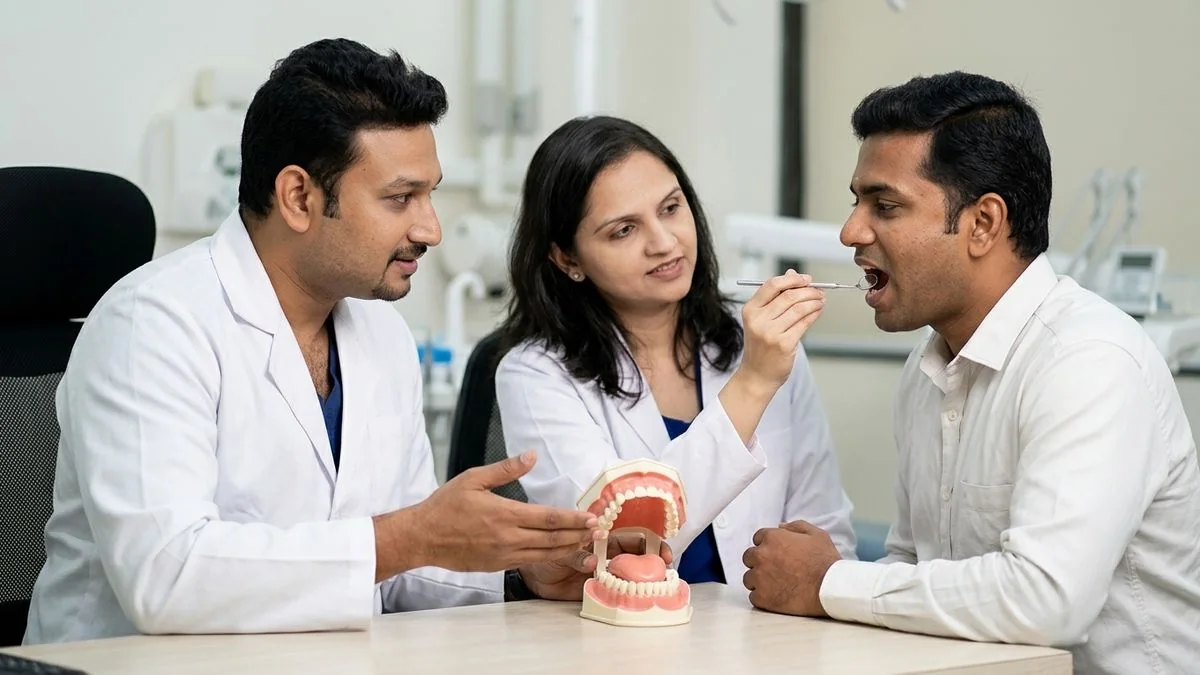
Oral cancer treatments alter the anatomy and physiology of the mouth. Depending on whether you undergo surgery, radiation, or chemotherapy, you may face several distinct physical challenges.
1. Dysphagia (Difficulty Swallowing)
Surgical resection of the tongue (glossectomy) or palate can alter the natural mechanics of swallowing.
- The Solution: Work closely with a speech and swallowing therapist. Modify food consistency to smooth purees or thickened liquids. Avoid thin liquids if they cause coughing or choking, as they can accidentally enter the airway (aspiration).
2. Mucositis (Painful Mouth Sores)
Radiation therapy and certain chemotherapies can cause the delicate lining of your mouth to become inflamed, raw, and ulcerated.
- The Solution: Avoid spicy, salty, acidic, or highly seasoned foods. Opt for cool or room-temperature foods like curd, tender coconut pudding, or mild milkshakes. Rinse your mouth frequently with a saline-bicarbonate mouthwash (avoid alcohol-based commercial mouthwashes).
3. Xerostomia (Severe Dry Mouth)
Radiation to the head and neck often damages the salivary glands, reducing saliva production. Saliva is essential for lubricating food and starting the digestive process.
- The Solution: Keep a water bottle with you at all times and take frequent sips. Use gravies, sambar, rasam, or extra ghee to moisten dry foods. Over-the-counter saliva substitutes or chewing sugar-free gum (if jaw mobility allows) can also stimulate flow.
4. Trismus (Limited Jaw Opening)
Radiation therapy or surgeries involving the jaw joint (TMJ) can cause scarring and stiffness in the chewing muscles, making it difficult to open your mouth wide enough to insert food.
- The Solution: Focus on liquid or highly blended diets that can be consumed through a cup or a wide straw. Perform gentle jaw-opening exercises daily as prescribed by Dr. Kalpa Pandya to maintain joint mobility.
Dietary Guidelines: What to Eat and What to Avoid
When planning meals during recovery, focus on maximizing nutrient density. Every bite should carry as many calories and proteins as possible.
| Food Category | Recommended (Soft, High-Calorie, High-Protein) | Avoid (Irritating or Hard to Chew) |
|---|---|---|
| Grains & Cereals | Well-cooked ragi porridge, soft idli soaked in milk or mild sambar, mashed pongal with ghee, blended curd rice. | Crispy dosas, hard chapatis, dry rice, crusty bread, spicy biryani. |
| Proteins | Stewed lentils (dal), mashed paneer, soft scrambled eggs, finely shredded or pureed chicken fish broth, tofu. | Tough meats, fried fish, hard-boiled eggs, whole nuts, seeds. |
| Dairy & Alternatives | Full-fat curd, unsweetened yogurt, milkshakes, paneer kheer, soy milk, almond paste. | Sour buttermilk, highly spiced curd preparations, ice creams with nuts. |
| Fruits & Vegetables | Mashed bananas, stewed apples, sapota (chikoo) puree, boiled and mashed potatoes, carrots, bottle gourd (laoki). | Raw apples, citrus fruits (oranges, lemons), raw vegetables, spicy pickles. |
South Indian Comfort Foods for Recovery
Many patients find comfort in traditional local dishes. These can be easily adapted to meet nutritional needs:
-
Ragi Malt (Porridge): Rich in calcium and iron. Prepare it with milk and a touch of jaggery or mild salt.
-
Mashed Pongal: Cook rice and moong dal until completely soft. Add a generous dollop of ghee for extra calories. Skip the whole black pepper and ginger to avoid irritating mouth sores.
-
Sago (Sabudana) Kheer: Easy to swallow and highly energetic.
-
Blended Curd Rice: Blend soft-cooked rice with fresh, non-sour curd and a splash of milk to create a smooth, cooling paste.
Nutritional Management Across Treatment Phases
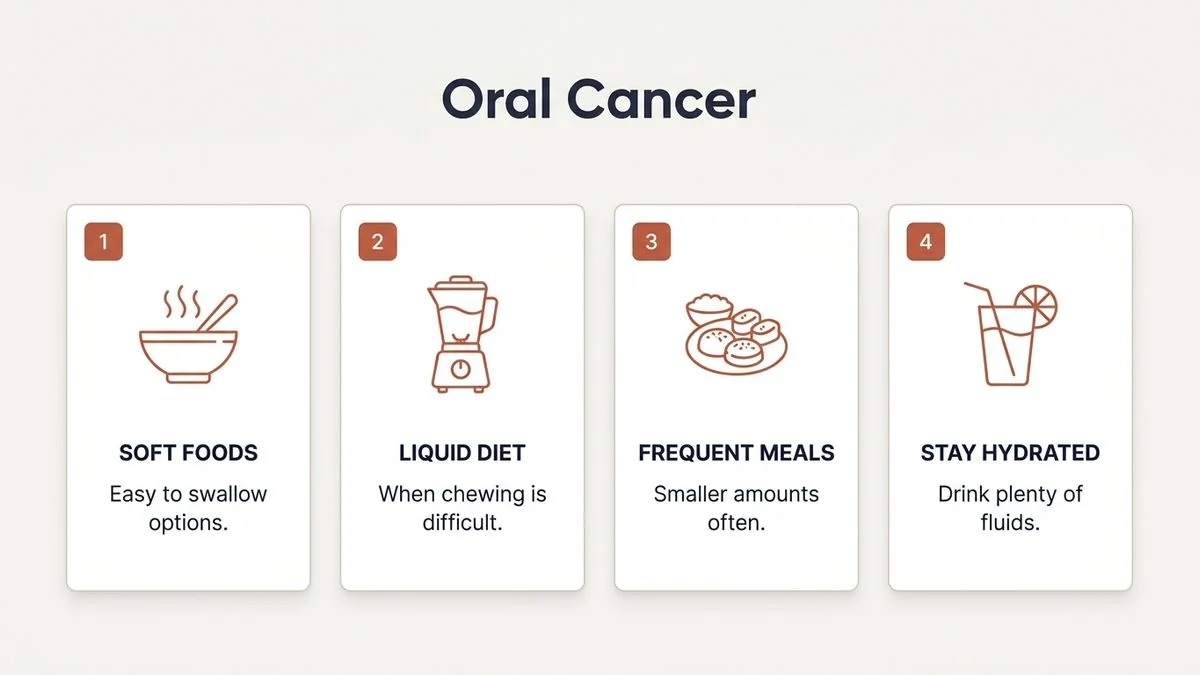
Your dietary strategy must adapt as you move through different stages of your treatment.
Phase 1: Pre-Surgery Preparation
Do not wait for surgery to begin focusing on nutrition. If you are already losing weight, start a high-protein diet immediately to build up your physiological reserves.
-
Eat small meals 5 to 6 times a day.
-
Incorporate protein supplements recommended by your clinical team.
-
Address any existing dental issues with Dr. Kalpa Pandya to ensure your remaining teeth are clean and stable before treatment begins.
Phase 2: Immediate Post-Surgery Recovery
Immediately after a major reconstructive and restorative surgery, your mouth needs time to heal without the stress of chewing.
-
Liquid Diet: Initially, you will receive nutrition through a feeding tube or a strict liquid diet.
-
Transition to Semi-Solids: Once our surgical team confirms that your oral incisions have healed sufficiently, you will gradually transition to pureed, non-spicy foods.
-
Hydration: Aim for at least 2 to 2.5 liters of fluids daily, including water, clear broths, and tender coconut water.
Phase 3: During Radiation and Chemotherapy
This is often the most challenging phase due to cumulative side effects like taste loss, mouth sores, and thick saliva.
-
Texture Modification: If swallowing hurts, blend all foods to a baby-food consistency.
-
Frequent Snacking: If you can only eat a few spoonfuls at a time, eat every 2 hours.
-
Temperature Control: Serve foods cold or at room temperature to soothe inflamed tissues.
Enteral Nutrition: Understanding Feeding Tubes
Patients often feel anxious when we suggest a feeding tube. However, a feeding tube is a supportive tool, not a sign of defeat. It ensures you receive precise caloric and fluid intake when eating by mouth becomes too painful or unsafe.
Types of Feeding Tubes
-
Nasogastric (NG) Tube / Ryle's Tube: A thin, flexible tube passed through the nose down into the stomach. It is typically used for short-term nutritional support (a few weeks) immediately after surgery.
-
PEG (Percutaneous Endoscopic Gastrostomy) Tube: A tube placed directly through the abdominal wall into the stomach. It is preferred for longer-term support, especially during a 6-to-7-week course of radiation therapy.
Using a feeding tube does not mean you can never eat by mouth again. Many patients use a hybrid approach: they take what they can comfortably eat orally for pleasure and hydration, and receive the remainder of their daily caloric requirements through the tube.
Restoring Oral Function with Reconstructive Surgery
A patient's long-term ability to chew and swallow is directly tied to the quality of surgical reconstruction. When removing a tumor from the tongue or jaw, Dr. Pradeep S. performs advanced microvascular free flap reconstruction (using tissue from the thigh or forearm) to rebuild the lost structure.
By restoring the mobility of the tongue and the alignment of the jaw, we maximize your chances of returning to a normal diet. Following tissue healing, Dr. Kalpa Pandya leads the rehabilitation phase, utilizing advanced dental implants to replace missing teeth, allowing patients to chew solid foods effectively once again.
If you are planning your recovery or have questions about what to expect, understanding the cost of oral cancer treatment and the reconstructive options available can help you make informed decisions. Pair this with our oral cancer surgery recovery timeline for when diet milestones usually appear after surgery.
Practical Tips for Caregivers
As a caregiver, supporting a loved one through oral cancer treatment can feel overwhelming. Here are practical ways you can help:
-
Keep a Food Diary: Track daily fluid intake, meals, and weight. A sudden drop in weight is a signal to contact your surgical team.
-
Enrich Everyday Foods: Add high-calorie ingredients like ghee, butter, cream, or protein powder to standard dishes.
-
Use a Blender: Invest in a high-powered blender to create smooth, lump-free purees. Strain soups and dals to remove seeds, skins, or coarse fibers.
-
Encourage Oral Hygiene: Help your loved one rinse their mouth before and after every meal. A clean mouth improves taste perception and reduces the risk of infection.
When to Contact Your Surgical Team
While some difficulty eating is expected, certain symptoms require immediate medical attention. Contact Dr. Pradeep S. and Dr. Kalpa Pandya at Apollo Main Hospital if you experience:
-
An inability to swallow liquids or saliva.
-
Choking or coughing while trying to swallow.
-
A fever of 100.4°F (38°C) or higher.
-
Rapid weight loss (more than 1.5 to 2 kg in a single week).
-
Severe pain that is not relieved by prescribed pain medications.
-
Redness, swelling, or foul-smelling discharge around a feeding tube site.
If you are navigating the complexities of oral cancer treatment, early and consistent nutritional support is key to a successful recovery. To discuss a personalized treatment and rehabilitation plan, book an appointment with Dr. Pradeep S. and Dr. Kalpa Pandya at Apollo Main Hospital, Greams Road, Chennai.
References
-
National Comprehensive Cancer Network (NCCN). "Clinical Practice Guidelines in Oncology: Head and Neck Cancers." NCCN Guidelines, 2024. https://www.nccn.org
-
Isenring, E. A., et al. "Nutritional status and quality of life in head and neck cancer patients." Supportive Care in Cancer, 2010.
-
World Health Organization. "Nutritional Care for Cancer Patients." WHO Guidelines, 2021.
-
Talwar, B., et al. "Nutritional guidelines for head and neck cancer patients undergoing chemoradiotherapy." Clinical Nutrition, 2016.
-
National Cancer Institute. "Nutrition in Cancer Care (PDQ®)–Patient Version." NCI, 2023. https://www.cancer.gov
Next step
Concerned about a symptom you read here? Get a specialist opinion in Chennai.
Dr. Pradeep S. and Dr. Kalpa Pandya consult at Apollo Hospitals, Greams Road. Same-day responses on WhatsApp for most enquiries.
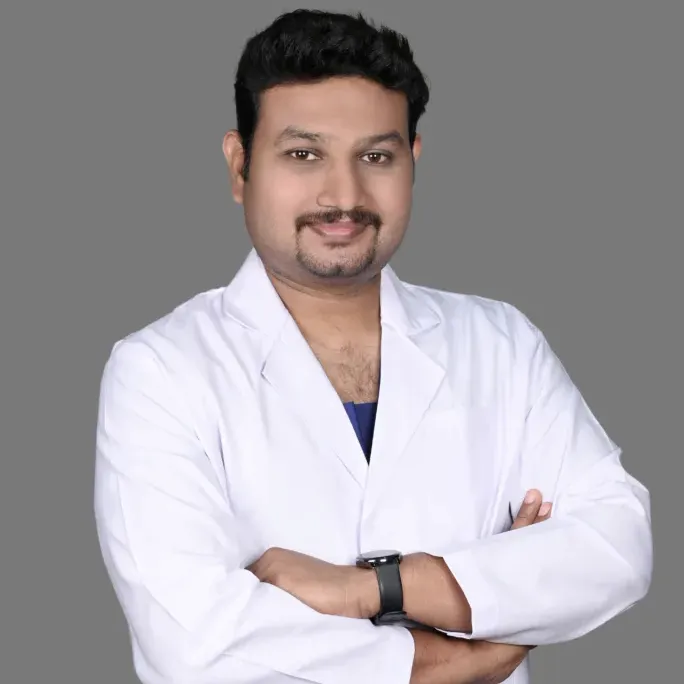
Dr. Pradeep S.
MDS (OMFS) · FHNS · FIBCSOMS
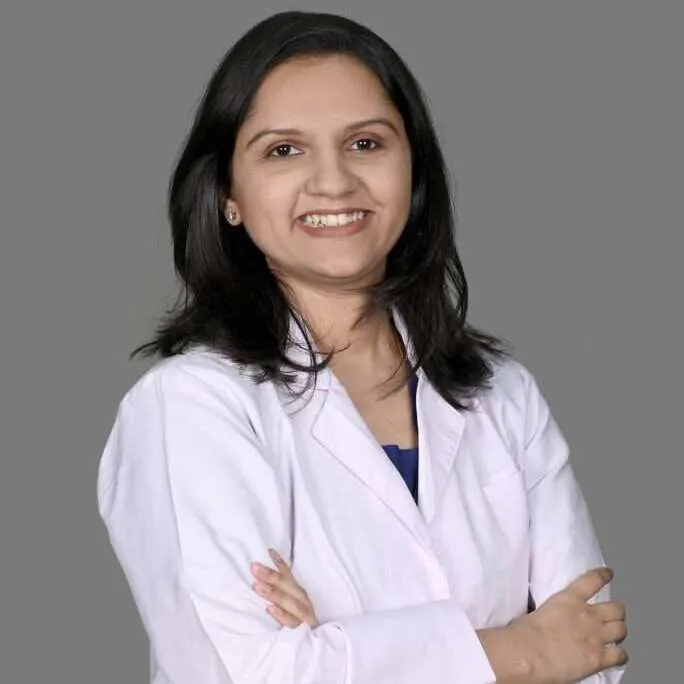
Dr. Kalpa Pandya
MDS (OMFS) · FHNS — Head & Neck Oncology
Authored by
Medically reviewed by