Quitting Tobacco After Oral Pre-Cancer: A Practical Guide
Need expert consultation? Book an appointment with Dr. Pradeep S. or Dr. Kalpa Pandya.
Book AppointmentReceiving a diagnosis of an oral potentially malignant disorder (OPMD) is a pivotal moment that demands immediate action. Understanding how to navigate this phase using a quitting tobacco after an OPMD oral pre-cancer diagnosis practical guide is the single most effective step you can take to prevent progression to oral cancer.
In our Chennai practice, we frequently meet patients who feel overwhelmed by their diagnosis. Whether you have been diagnosed with leukoplakia, erythroplakia, or oral submucous fibrosis (OSMF), the path forward begins with eliminating the primary driver of mucosal damage: tobacco. This guide provides actionable, clinically backed strategies to help you quit tobacco, heal your oral cavity, and protect your future.
Understanding OPMD: What Your Diagnosis Means
Oral Potentially Malignant Disorders (OPMDs) represent a group of chronic clinical conditions affecting the oral mucosa that carry a significant risk of transforming into oral cancer. These lesions are not cancer yet, but they indicate that the cells in your mouth have undergone pathological changes due to chronic irritation.
The most common OPMDs we treat at our clinic include:
-
Leukoplakia: Persistent white patches on the tongue, gums, or inner cheeks that cannot be scraped off.
-
Erythroplakia: Smooth, red patches that have a high rate of cellular atypia (abnormal cells) and a high risk of malignant transformation.
-
Oral Submucous Fibrosis (OSMF): A chronic, progressive condition characterized by mucosal stiffness, burning sensations when eating spicy food, and a progressive reduction in mouth opening, primarily caused by chewing areca nut and smokeless tobacco formulations (such as gutkha and mawa).
When we perform clinical evaluations at Apollo Main Hospital, Greams Road, we emphasize that an OPMD diagnosis is an early warning system. It is an opportunity to intervene before aggressive oral cancer surgery becomes necessary.
Why Quitting Tobacco After an OPMD Oral Pre-Cancer Diagnosis Practical Guide is Essential
Tobacco contains over 70 known carcinogens, including nitrosamines, polycyclic aromatic hydrocarbons, and heavy metals. When you smoke or chew tobacco, these chemicals directly damage the DNA of your oral epithelial cells. This damage disrupts normal cell growth, leading to dysplasia—a state where cells look abnormal under a microscope but have not yet invaded deeper tissues.
If you continue to use tobacco after an OPMD oral precancer diagnosis, you subject these already vulnerable cells to continuous genetic mutations.
[Healthy Mucosa]

       │

       ▼ (Chronic Tobacco/Areca Nut Exposure)

[OPMD: Leukoplakia / OSMF / Erythroplakia]

       │

       ├─────────► Continue Tobacco ───► [Malignant Transformation (Oral Cancer)]

       │

       └─────────► Strict Cessation ───► [Mucosal Healing & Regression of Lesion]
By committing to a strict tobacco cessation plan, you remove the genetic triggers driving dysplasia. Clinical studies show that a significant percentage of homogeneous leukoplakia lesions regress completely after tobacco cessation. Even in progressive conditions like OSMF, stopping tobacco and areca nut halt the advancement of tissue scarring and dramatically lowers your cancer risk.

Quitting Tobacco After an OPMD Oral Pre-Cancer Diagnosis Practical Guide: Step-by-Step
Quitting tobacco successfully requires more than willpower; it demands a structured, clinical approach. Here is a practical, step-by-step strategy designed specifically for patients diagnosed with an OPMD.
Step 1: Establish Your "Why" and Set a Quit Date
Your OPMD diagnosis is your primary motivator. Write down your personal reasons for quitting—protecting your family, avoiding extensive reconstructive jaw surgery, and preserving your ability to speak and eat normally. Select a firm quit date within the next two weeks to give yourself time to prepare mentally and physically.
Step 2: Identify and Map Your Triggers
Tobacco use is deeply tied to daily habits and emotional states. Keep a log for three days prior to your quit date. Note when, where, and why you feel the urge to use tobacco. Common triggers include:
-
Stress or work pressure
-
Social gatherings or tea breaks with colleagues
-
Driving or commuting
-
Post-meal routines
Once identified, plan healthy substitutes. For example, if you chew gutkha after meals, replace it with sugar-free mints or fennel seeds (saunf).
Step 3: Clear Your Environment
On the eve of your quit date, discard all tobacco products, lighters, ashtrays, spittoons, and gutkha pouches from your home, car, and workplace. If your environment makes tobacco easily accessible, slips are much more likely to occur during intense cravings.
Step 4: Engage Your Support Network
Inform your family, friends, and co-workers about your diagnosis and your decision to quit. Ask for their patience and support. If you have friends or colleagues who use tobacco, kindly ask them not to offer you any products or use them in your presence.
Medical Support and Cessation Aids for OPMD Patients
Many patients struggle to quit cold turkey due to severe nicotine withdrawal. Utilizing medically approved cessation aids can double your chances of success.
| Cessation Aid | How It Works | Suitability for OPMD Patients |
|---|---|---|
| Nicotine Transdermal Patches | Delivers a steady, controlled dose of nicotine through the skin to minimize systemic withdrawal. | Highly Recommended. Bypasses the oral cavity entirely, allowing damaged oral tissues to heal without local irritation. |
| Nicotine Gums / Lozenges | Provides rapid nicotine absorption through the oral mucosa to combat acute, sudden cravings. | Moderate. Use with caution if you have painful oral ulcers, raw erythroplakia, or severe OSMF. Avoid highly acidic flavors. |
| Prescription Medications (e.g., Bupropion, Varenicline) | Non-nicotine oral tablets that alter brain chemistry to reduce cravings and block the rewarding effects of nicotine. | Excellent. Highly effective for heavy smokers or chewers. Must be taken under strict medical supervision and prescription. |
| Behavioral Therapy & Counseling | Cognitive behavioral strategies to modify habits, manage stress, and build long-term coping mechanisms. | Essential. Should be combined with any pharmacological treatment for maximum long-term success. |
Before starting any nicotine replacement therapy (NRT), consult with your surgeon. If you are experiencing severe burning or have open mucosal ulcers, we can guide you toward systemic options like patches or oral medications that do not irritate your mouth.
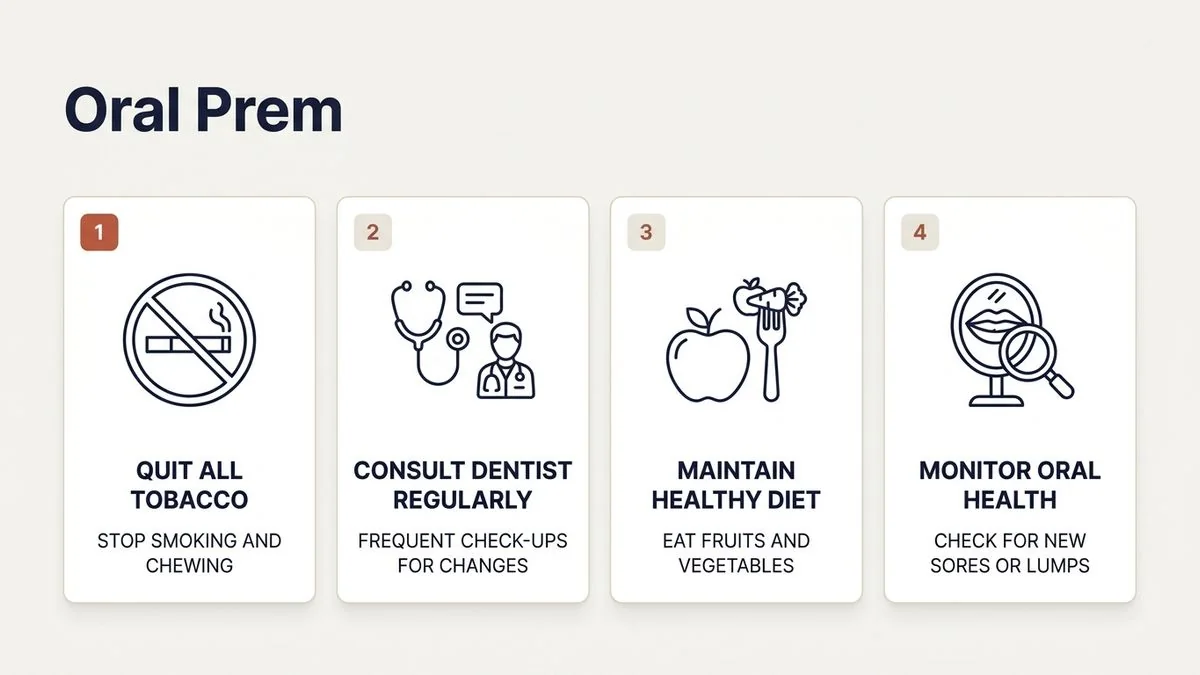
Overcoming Nicotine Withdrawal: Practical Coping Mechanisms
Nicotine withdrawal can cause irritability, anxiety, difficulty concentrating, headaches, and intense cravings. These symptoms usually peak within the first 72 hours of quitting and gradually subside over 2 to 4 weeks.
To manage cravings without irritating your OPMD lesions, employ these safe strategies:
-
The 4 D’s Strategy:
-
Delay: Wait 10 minutes when a craving strikes. Most cravings last only 3 to 5 minutes.
-
Deep Breathe: Inhale slowly through your nose and exhale through your mouth to calm your nervous system.
-
Drink Water: Sip cold water slowly. This occupies your hands and mouth while flushing out toxins.
-
Distract: Shift your attention to a physical task, a walk, or a phone call to a supportive friend.
-
-
Soothing Oral Alternatives:
If you are accustomed to the physical sensation of chewing gutkha or betel nut, replace it with safe alternatives. Avoid hard substances like whole areca nuts or highly acidic candies, which can cause micro-trauma to your fragile oral lining. Instead, choose:
-
Soft cardamom pods (elaichi)
-
Fennel seeds (saunf)
-
Sugar-free chewing gum (only if your mouth opening allows it comfortably)
-
-
Manage Oral Discomfort:
As your oral tissues begin to clear out toxins, you may temporarily experience increased oral sensitivity or mild mouth ulcers. This is a common part of the mucosal recovery phase. Use a soft-bristled toothbrush, avoid spicy and hot foods, and rinse your mouth with a warm saline solution or a non-alcoholic, soothing mouthwash prescribed by your surgeon.
If you notice persistent, painful ulcers during this transition, it is vital to get them evaluated. You can read more about distinguishing benign ulcers from serious issues in our guide on whether a mouth ulcer could be a sign of cancer.
Timeline of Oral Tissue Recovery After Stopping Tobacco
When you stop exposing your mouth to tobacco carcinogens, your body immediately initiates a cellular repair process.
-
24 to 48 Hours: Carbon monoxide levels in your blood drop to normal, improving oxygen delivery to your damaged oral tissues. Mucosal blood flow begins to normalize.
-
1 to 2 Weeks: The chronic inflammation of your gums and cheeks starts to subside. If you suffer from OSMF, the raw, burning sensation when eating mild foods may begin to lessen.
-
1 to 3 Months: The superficial layers of your oral mucosa undergo cellular turnover. White patches (leukoplakia) may begin to thin, shrink, or show signs of regression. Your taste buds recover, and bad breath (halitosis) disappears.
-
6 Months: A follow-up clinical examination or biopsy will often reveal a reduction in epithelial dysplasia. The risk of sudden malignant transformation decreases significantly.
-
5 Years and Beyond: Your risk of developing oral cancer drops by nearly 50% compared to those who continue to use tobacco.
To understand how these tissue changes impact your long-term health, regular clinical surveillance is essential. Learn more about the diagnostic steps in our overview of oral cancer screening protocols.
How Our Dual-Surgeon Team Manages OPMD in Chennai
At Mouth Cancer Surgeons, Chennai, we operate on a unique, highly personalized care model. Dr. Pradeep S. and Dr. Kalpa Pandya are the same two surgeons who will evaluate you, perform your diagnostics, coordinate your tobacco cessation plan, and monitor your healing journey over the long term.
[Initial Consultation & OPMD Mapping]

               │

               ▼

[Biopsy & Histopathological Grading (Dysplasia Check)]

               │

               ▼

[Customized Tobacco Cessation & Medical Therapy Plan]

               │

               ▼

[Regular 3-to-6-Month Surveillance & Clinical Photography]
-
Dr. Kalpa Pandya leads our OPMD management and dental rehabilitation. With over 10 years of experience and having treated more than 1000 oral cancer and pre-cancer patients, she specializes in identifying subtle changes in mucosal lesions and customizing cessation protocols that fit your lifestyle.
-
Dr. Pradeep S., our international board-certified head and neck surgical oncologist, provides expert oversight on high-risk lesions. If an OPMD shows severe dysplasia or early malignant changes, he leads the precise, minimally invasive surgical excision or laser ablation required to eliminate the risk.
We consult primarily at Apollo Main Hospital, Greams Road, Chennai, providing patients from Tamil Nadu and across South India with access to world-class diagnostic facilities, advanced CO2 laser therapies, and comprehensive supportive care.
If you have been diagnosed with an OPMD or have a suspicious white or red patch in your mouth, early intervention is critical. Book a joint consultation with Dr. Pradeep S. and Dr. Kalpa Pandya at Apollo Main Hospital, Greams Road, Chennai.
Identifying Red Flags: When OPMD Progresses to Malignancy
While quitting tobacco dramatically reduces your risks, some high-risk or long-standing OPMD lesions may have already accumulated irreversible genetic damage prior to cessation. Therefore, active surveillance is vital.
You must contact us immediately if you notice any of the following warning signs:
-
An ulcer or sore in your mouth that does not heal within two weeks, even after quitting tobacco.
-
A sudden change in the appearance of a white patch, such as it becoming thick, bumpy, rough, or developing red spots (erythroleukoplakia).
-
Unexplained, spontaneous bleeding from the gums, tongue, or cheek mucosa.
-
A persistent feeling that something is caught in your throat, or difficulty swallowing and chewing.
-
A new, painless lump in your neck or under your jaw.
-
Rapidly worsening restriction in your ability to open your mouth.
If a lesion does progress, understanding the specific types of oral cancer can help you understand the therapeutic options available. Early detection means we can treat the lesion with localized, tissue-sparing surgery rather than extensive resections.
References
-
Warnakulasuriya, S., et al. "Oral potentially malignant disorders: A consensus on terminology, classification and clinical management." Oral Diseases, 2020. [https://onlinelibrary.wiley.com/journal/16010825]
-
World Health Organization. "Tobacco Cessation in Oral Health Practice." WHO Prevention of Noncommunicable Diseases, 2017. [https://www.who.int]
-
Gupta, P. C., et al. "Effect of stopping tobacco use on oral precancerous lesions." International Journal of Cancer, 1995. [https://onlinelibrary.wiley.com/journal/10970215]
-
Indian Council of Medical Research (ICMR). "Consensus Guidelines for Management of Oral Buccal Mucosa Cancer." ICMR Guidelines, 2022. [https://main.icmr.nic.in]
-
NCCN Clinical Practice Guidelines in Oncology. "Head and Neck Cancers - Early Detection and Prevention." National Comprehensive Cancer Network, 2024. [https://www.nccn.org]
Next step
Concerned about a symptom you read here? Get a specialist opinion in Chennai.
Dr. Pradeep S. and Dr. Kalpa Pandya consult at Apollo Hospitals, Greams Road. Same-day responses on WhatsApp for most enquiries.

Dr. Pradeep S.
MDS (OMFS) · FHNS · FIBCSOMS

Dr. Kalpa Pandya
MDS (OMFS) · FHNS — Head & Neck Oncology
Authored by
Medically reviewed by