What is Oral and Maxillofacial Surgery? A Chennai Guide

Need expert consultation? Book an appointment with Dr. Pradeep S. or Dr. Kalpa Pandya.
Book AppointmentMany patients find themselves referred to an oral and maxillofacial surgeon without fully understanding what this specialty entails. If you or a loved one has been advised to consult one, you might be asking: what is oral and maxillofacial surgery a patient guide to understanding this complex field? Maxillofacial surgery is a unique specialty that bridges the gap between medicine and dentistry, focusing on the diagnosis, surgical management, and reconstruction of diseases, injuries, and defects affecting the mouth, jaws, face, and neck.
In our practice at Mouth Cancer Surgeons in Chennai, led by Dr. Pradeep S. and Dr. Kalpa Pandya, we frequently encounter patients who are anxious simply because they do not understand what a maxillofacial surgeon does. This comprehensive guide aims to demystify the specialty, explain the conditions we treat, outline what you can expect during your treatment, and help you make informed decisions about your health.
What is Oral and Maxillofacial Surgery?
Oral and Maxillofacial Surgery (OMFS) is an internationally recognized surgical specialty. The word "maxillofacial" comes from "maxilla" (the upper jaw) and "facial" (relating to the face).
In India, becoming a maxillofacial surgeon requires completing a Bachelor of Dental Surgery (BDS) followed by a highly competitive three-year Master of Dental Surgery (MDS) residency specifically in Oral & Maxillofacial Surgery. To manage complex conditions like head and neck cancers, jaw tumors, and microvascular reconstructions, surgeons undergo further super-specialty fellowship training.
For instance, Dr. Pradeep S. holds an MDS in Oral & Maxillofacial Surgery alongside prestigious fellowships in Head & Neck Surgical Oncology (FHNS) and international board certification (FIBCSOMS). Similarly, Dr. Kalpa Pandya has dedicated over a decade to treating more than a thousand oral cancer and trauma patients. This rigorous training ensures that maxillofacial surgeons are uniquely qualified to manage both the functional aspects of the mouth (such as chewing, speaking, and swallowing) and the aesthetic appearance of the face.
The Core Scope of Maxillofacial Surgery
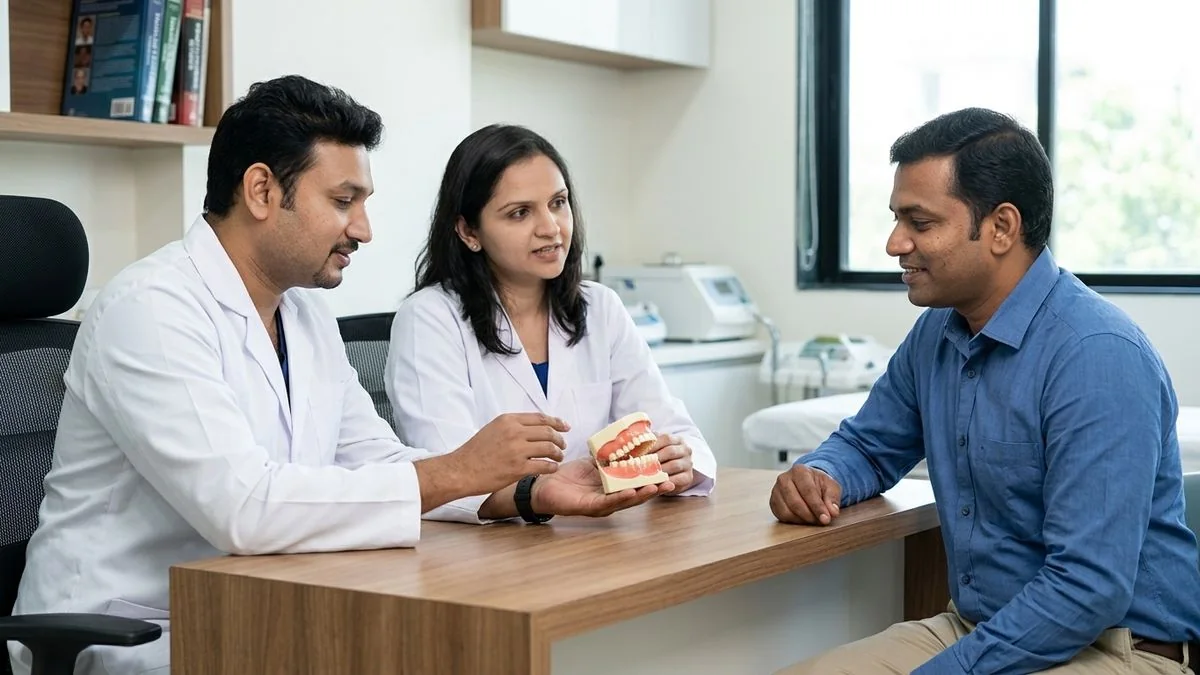
The clinical scope of oral and maxillofacial surgery is vast, ranging from minor outpatient procedures to major, multi-hour reconstructive surgeries. In our practice, we divide this scope into several highly specialized areas of care.
1. Oral Cavity Cancer Surgery
Oral cancer is one of the most common cancers in India, primarily linked to tobacco and areca nut usage. Maxillofacial oncologists are responsible for the surgical removal of malignant tumors affecting the:
-
Tongue
-
Buccal mucosa (inner cheek lining)
-
Floor of the mouth
-
Alveolus (gums)
-
Palate (roof of the mouth)
-
Lips
Surgical intervention remains the primary treatment modality for most oral cancers. Early detection is vital; according to clinical statistics, early-stage oral cancers have a survival rate of over 80% when managed promptly by a specialized surgical team. For more information on identifying early warning signs, read our article on how to identify if a mouth ulcer is cancer and explore the different types of oral cancer we treat.
2. Oral Potentially Malignant Disorders (OPMD)
Before oral cancer develops, the mouth often exhibits precancerous changes. These are known as Oral Potentially Malignant Disorders (OPMDs). Common OPMDs include:
-
Leukoplakia: White patches that cannot be scraped off. Learn more about identifying white spots on lips and mouth.
-
Erythroplakia: Red, velvety patches that carry a high risk of turning into cancer.
-
Oral Submucous Fibrosis (OSMF): A chronic condition that causes scarring and progressive difficulty in opening the mouth, highly prevalent in South India due to betel nut chewing.
Managing these conditions involves close surveillance, medical management, and sometimes surgical excision to prevent them from transitioning into invasive cancer. If you are concerned about persistent changes in your mouth, scheduling an oral cancer screening is a crucial first step.
3. Maxillofacial Tumours & Jaw Pathology
Benign and malignant tumors can arise within the jawbones. Conditions like ameloblastoma, odontogenic keratocysts (OKC), and giant cell lesions require specialized surgical removal. Because these tumors grow within the bone, treating them often involves removing a segment of the jaw (such as a maxillectomy for the upper jaw or a mandibulectomy for the lower jaw) and performing immediate reconstruction to preserve the patient’s facial structure.
4. Facial Trauma & Maxillofacial Fractures
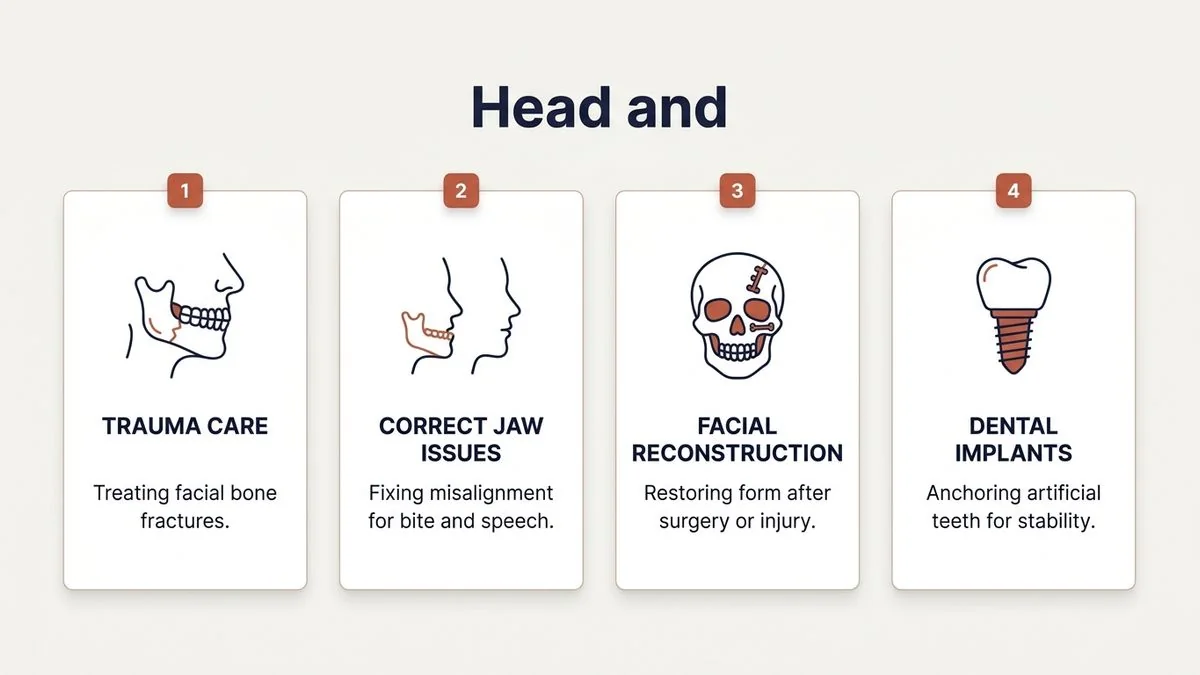
Accidents, sports injuries, and physical assaults can result in facial fractures. Maxillofacial surgeons are the primary specialists called upon in emergency rooms to repair fractured jawbones, cheekbones (zygomatic fractures), nose bones, and eye sockets (orbital fractures). Using advanced techniques like Open Reduction and Internal Fixation (ORIF), surgeons use tiny titanium plates and screws to stabilize the bones, ensuring they heal in their correct anatomical positions without altering the patient's bite or facial appearance.
5. Reconstructive & Restorative Surgery
When a portion of the jaw or facial tissue is removed due to cancer or trauma, reconstructive surgery is necessary to restore function and appearance. Modern maxillofacial surgery utilizes microvascular "free flap" reconstruction. This advanced procedure involves transferring bone and tissue from another part of the patient's body—such as the fibula (leg bone), radial forearm (arm tissue), or anterolateral thigh—and connecting its blood vessels to those in the neck using a high-powered operating microscope. This allows us to rebuild a functional jaw and mouth in a single surgical session.
6. TMJ Disorders & Jaw Alignment
The temporomandibular joint (TMJ) connects your jawbone to your skull. Disorders of this joint can cause severe pain, clicking sounds, and difficulty chewing. Maxillofacial surgeons treat advanced TMJ pathology, including TMJ ankylosis (where the joint fuses, preventing the mouth from opening) and severe jaw misalignment that requires orthognathic (corrective jaw) surgery.
7. Dental Implants & Pre-Prosthetic Surgery
For patients who have lost teeth due to trauma, decay, or cancer surgery, dental implants offer a permanent solution. Maxillofacial surgeons perform complex implant placements, including zygomatic implants and bone grafting procedures (like sinus lifts) to build up the jawbone before placing implants.
Dentist vs. Oral & Maxillofacial Surgeon: What is the Difference?
Patients often wonder why they are referred to a maxillofacial surgeon when they already have a family dentist. While both professions focus on oral health, their training, scope of practice, and clinical environments are entirely different.
| Clinical Aspect | General Dentist | Oral & Maxillofacial Surgeon |
|---|---|---|
| Primary Focus | Routine preventive care, fillings, crowns, cleanings, and simple extractions. | Complex surgical interventions of the face, jaws, mouth, and neck. |
| Training | 4-5 years of dental school (BDS). | BDS + 3 years of surgical residency (MDS) + optional multi-year oncology/reconstruction fellowships. |
| Common Procedures | Fillings, root canals, crowns, basic tooth extractions. | Tumor resections, jaw reconstruction, facial fracture repair, cleft palate surgery, complex implants. |
| Anesthesia Capability | Local anesthesia (numbing the immediate area). | Local anesthesia, IV conscious sedation, and General Anesthesia (in hospital operating theaters). |
| Practice Environment | Dental clinic or office. | Specialized clinics, multidisciplinary cancer centers, and hospital operating rooms. |
If you are experiencing complex symptoms like a non-healing ulcer, a growing lump in your jaw, or difficulty opening your mouth, early consultation is important. Book an appointment with Dr. Pradeep S. and Dr. Kalpa Pandya at Apollo Main Hospital, Greams Road, Chennai.
What to Expect During Your Consultation
A consultation with an oral and maxillofacial surgeon is highly thorough. At Mouth Cancer Surgeons, we utilize a collaborative, dual-surgeon model. This means both Dr. Pradeep S. and Dr. Kalpa Pandya review your clinical case together, combining their expertise in oncology and reconstructive surgery to draft your treatment plan.
Step 1: Detailed Clinical Examination
During your initial visit, the surgeons will perform a comprehensive examination of your oral cavity, head, and neck. They will check for lumps, ulcers, restricted jaw movement, and changes in the oral mucosa.
Step 2: Advanced Diagnostic Imaging
To see beneath the surface, we rely on advanced imaging techniques:
-
Cone Beam Computed Tomography (CBCT): Provides high-resolution 3D images of your jawbones and teeth.
-
Magnetic Resonance Imaging (MRI) & CT Scans: Crucial for evaluating soft tissue tumors, oral cancers, and checking if disease has spread to the lymph nodes in the neck.
Step 3: Biopsy (If Indicated)
If there is a suspicious ulcer, white patch, or swelling, a biopsy will be performed. This involves taking a tiny tissue sample under local anesthesia and sending it to a pathologist to determine if it is benign, precancerous, or malignant. Knowing whether a lesion is cancerous helps us plan the exact margins needed for surgery.
Understanding Common Maxillofacial Procedures
If surgery is recommended, understanding the procedure can help alleviate anxiety. Here is a patient-friendly breakdown of some common surgeries we perform:
Maxillectomy and Mandibulectomy
These surgeries involve removing a portion of the upper jaw (maxillectomy) or lower jaw (mandibulectomy) because of a bone tumor or invasive oral cancer.
-
A partial resection removes only a small portion of the bone, preserving jaw continuity.
-
A segmental resection removes a complete section of the bone, which requires immediate reconstruction to prevent the remaining jaw from shifting.
Neck Dissection
When treating oral cancer, there is a risk that cancer cells may travel through the lymphatic system to the neck. A neck dissection is a surgical procedure to remove lymph nodes in the neck that are either confirmed to have cancer or are at high risk of harboring microscopic cancer cells. This is a critical step in preventing the recurrence of cancer.
Microvascular Free Flap Reconstruction
As mentioned earlier, this is the gold standard for restoring form and function after major resections. By transferring a small piece of bone (like the fibula) along with its blood vessels, we can rebuild a natural-looking jawline. Once healed, this reconstructed bone can even support dental implants, allowing patients to chew and speak normally again.
Preparing for Surgery and Your Recovery Timeline
Proper preparation and realistic expectations about recovery are key to a successful surgical outcome.
Pre-Operative Preparation
Before undergoing major maxillofacial surgery, our team will guide you through several preparatory steps:
-
Medical Clearance: Ensuring your heart, lungs, and overall health are optimized for general anesthesia.
-
Nutritional Counseling: Patients undergoing oral surgery may need to transition to a liquid or soft diet temporarily. Optimizing your nutrition before surgery helps accelerate wound healing.
-
Dental Clearance: Any active dental infections or decay must be treated before major jaw surgeries to minimize the risk of post-operative bone infection.
-
Smoking and Alcohol Cessation: Avoiding tobacco and alcohol for several weeks before and after surgery is mandatory, as these substances severely impair blood flow and wound healing.
The Recovery Timeline: What to Expect
Recovery varies depending on the scale of the procedure. Here is a general guideline:
+-----------------------------------------------------------------------------+

|                               RECOVERY TIMELINE                             |

+-----------------------------------------------------------------------------+

|                                                                             |
|  [Days 1 - 3]      ---> Hospital stay for major surgeries. Pain management,  |
|                         swelling control, and airway monitoring.            |
|                                                                             |
|  [Weeks 1 - 2]     ---> Sutures are removed. Swelling begins to subside.    |
|                         Soft or liquid diet is maintained.                  |
|                                                                             |
|  [Weeks 4 - 6]     ---> Initial bone and soft tissue healing is complete.   |
|                         Gradual return to normal activities and speech.     |
|                                                                             |
|  [Months 3 - 6]    ---> Complete bone remodeling. Evaluation for dental     |
|                         implants or prosthetics if needed.                  |
|                                                                             |

+-----------------------------------------------------------------------------+
During your recovery, our team provides continuous, long-term surveillance. This is especially important for our oncology patients, where regular follow-up visits allow us to monitor for any signs of recurrence and manage long-term functional rehabilitation.
Why Choose Mouth Cancer Surgeons in Chennai?
When facing complex oral or maxillofacial health issues, choosing the right surgical team is paramount. At Mouth Cancer Surgeons, we offer a unique clinical approach designed to deliver the highest standard of care in South India.
-
Dual-Surgeon Expertise: Every major surgical procedure is planned and executed by both Dr. Pradeep S. and Dr. Kalpa Pandya. This collaborative approach means you benefit from two highly trained specialists managing your care from diagnosis through long-term follow-up.
-
Comprehensive Care Spectrum: We manage the entire continuum of oral and maxillofacial care. Whether you require treatment for an early precancerous lesion, a complex jaw tumor, facial trauma reconstruction, or post-cancer dental rehabilitation, our team has the specialized expertise required.
-
World-Class Hospital Affiliations: Our primary surgical practice is based at Apollo Main Hospital, Greams Road, Chennai, a premier healthcare destination equipped with state-of-the-art operating suites, intensive care units, and advanced diagnostic facilities. Dr. Kalpa Pandya also serves as an Associate Consultant at Sri Ramachandra Medical Centre in Porur, extending our reach to patients across Chennai, Tamil Nadu, and South India.
-
Patient-Centric Compassion: We understand that facing facial or oral surgery can be emotionally challenging. We prioritize clear communication, compassionate care, and personalized treatment plans designed to preserve your quality of life, facial aesthetics, and oral function.
References
-
National Comprehensive Cancer Network (NCCN). "Clinical Practice Guidelines in Oncology: Head and Neck Cancers." NCCN Guidelines, 2024. [https://www.nccn.org]
-
World Health Organization (WHO). "Oral Cancer Prevention and Control." WHO Technical Report Series, 2023. [https://www.who.int]
-
Indian Council of Medical Research (ICMR). "Consensus Document for the Management of Buccal Mucosa Cancer." ICMR Guidelines, 2022.
-
Shah, Jatin P., et al. "Head and Neck Surgery and Oncology." Elsevier, 2020.
-
International Board for the Certification of Specialists in Oral and Maxillofacial Surgery (IBCSOMS). "Scope of Practice and Standards of Training in Oral and Maxillofacial Surgery." IBCSOMS Resource, 2024. [https://www.ibcsoms.org]
Next step
Concerned about a symptom you read here? Get a specialist opinion in Chennai.
Dr. Pradeep S. and Dr. Kalpa Pandya consult at Apollo Hospitals, Greams Road. Same-day responses on WhatsApp for most enquiries.
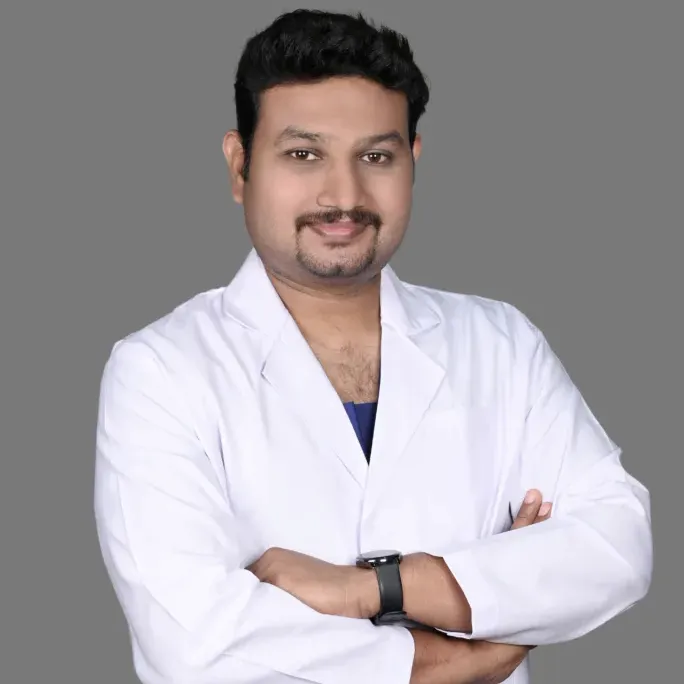
Dr. Pradeep S.
MDS (OMFS) · FHNS · FIBCSOMS
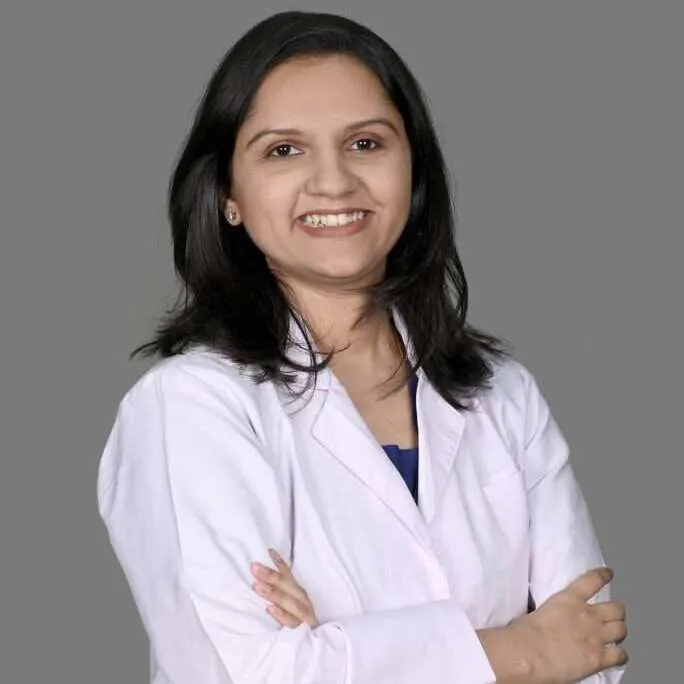
Dr. Kalpa Pandya
MDS (OMFS) · FHNS — Head & Neck Oncology
Authored by
Medically reviewed by